 Book your free call
You can't stop replaying it. You're not going crazy.
The mind movies that won't shut off. Checking their phone at 2 a.m. Holding it together at work while you fall apart inside. After betrayal, that is not weakness and it is not overreacting. It is trauma, and helping you heal from it is the only thing we do. In person in Calgary, or online across Alberta.

If you are lying awake asking yourself these, you are in the right place.
These are the questions almost every betrayed partner Googles at 3 a.m.:
- Will this pain ever stop, or am I going to feel like this forever?
- Am I crazy for still loving the person who did this to me?
- Why can't I stop picturing them together?
- Why do I keep checking their phone when it only hurts more?
- Was it my fault? Was I not enough?
- Do I stay and try to rebuild, or do I leave?
- Will I ever be able to trust anyone again?
- How do I smile at work and with the kids when I am shattered inside?
If you are asking these, you are not broken and you are not overreacting. Every betrayed partner asks them, because infidelity does not just break your heart. It destabilizes your entire sense of what was real. And every one of these questions has an answer. You do not have to find it alone.
What you are carrying is not a communication problem. It is a wound.
Right now your mind probably will not stop. You replay the moment you found out. You build mind movies, those involuntary images of them together that ambush you in the shower, in the car, at 3 a.m., and you cannot fast-forward through them. You compare yourself to the affair partner and lose every time, even though the comparison is not real. You reread the messages even though every reread cuts deeper. You check, and then you check again.
And the cruelest part is who you cannot turn to. The one person you would normally call when your world falls apart is the person who caused it. So you carry it alone, smiling in meetings and packing lunches while something inside you is screaming. You are not weak for struggling to function. You are doing something extraordinarily hard with almost no support.
"It's not cheating, it's Stampeding." If you are reading this, that joke stopped being funny.
Every July, this city throws the biggest party in Canada. Ten days of corporate tents, free-flowing alcohol, and a "what happens at Stampede stays at Stampede" wink that most Calgarians laugh off. Family lawyers and divorce consultants here do not laugh. They report a reliable spike in calls in the weeks during and after Stampede, a pattern so consistent it has its own name: the Stampede effect. One Calgary practice has reported roughly 50 percent more inquiries around Stampede week.
Here is the truth behind the phenomenon: ten days of parties do not create betrayal out of nothing. More often they expose cracks that were already there, or hand an existing secret its cover story. But that distinction does not make your discovery hurt one bit less. If it happened during Stampede, at a conference, on a site rotation, or on an ordinary Tuesday, the injury to you is the same.
If one more person tells you to "just give it time"
The people who love you mean well. But "give it time," "everyone makes mistakes," and "it was just Stampede" land like a slap when you are this raw, because they treat a trauma like a misunderstanding. Time on its own does not heal betrayal any more than time on its own sets a broken bone. Left unset, it heals crooked: into hypervigilance, into self-blame, into a flinch every time your phone buzzes. What actually helps is the right kind of help, from someone who has sat with this exact pain hundreds of times and will never tell you to get over it.
And this was not your fault
Read that again. Whatever was or was not happening in your relationship, you did not make someone deceive you. People in unhappy relationships have honest conversations, or they leave. They do not have to lie. The "was I not enough" question feels logical because your mind is hunting for a reason, something you could have controlled, so the world feels predictable again. But the affair was a choice your partner made about themselves. It is not a verdict on your worth. A big part of the work we do is helping that truth move from something you know in your head to something you actually feel in your body.
Most people arrive certain they will feel this way forever. They do not.
You cannot picture it tonight, but with the right help, this is what comes back:
- You wake up and the affair is not your first thought of the day.
- The mind movies fade, and the images lose their grip.
- A song comes on, or you drive past the hotel, and it does not wreck your whole day.
- July stops being a month you brace for.
- You stop interrogating yourself about what you missed.
- You decide whether to stay or go from a place of clarity, not panic.
- You feel like yourself again. Steadier, maybe, than you have in years.
Most therapists treat infidelity like a rough patch. It is not. It is a trauma.
That single difference changes everything about how you should be cared for. Here is what tends to happen with a general counsellor, and what we do instead.
A typical general therapist
- Treats everything: anxiety, careers, parenting, infidelity somewhere on the list
- Starts with communication skills and "both sides"
- Puts you both in the room early, before you feel safe
- Talk therapy alone, which does not discharge trauma
- May quietly push you toward reconciliation
Betrayal Care
- Works only with infidelity and betrayal trauma. It is all we do
- Stabilizes you, the betrayed partner, first
- Individual trauma work first, couples work alongside it if you choose
- EMDR, ART, EFT and IFS, modalities built for trauma
- Never rushes you toward forgiveness. We treat the injury first
Our promise for your first call
Reaching out when you are this raw is hard. So we have made the first step as safe as we can:
- It is genuinely free, 15 minutes, by phone or video.
- There is nothing to prepare and no detail you have to relive.
- No pressure and no obligation to book anything afterward.
- It is completely confidential.
- If we are not the right fit for you, we will tell you honestly and point you toward someone who is.
You have nothing to lose by reaching out. We built it that way on purpose.
Why people trust us with this
When you are this vulnerable, you deserve to know who you are dealing with. This is not a side service for us. It is the entire practice.
We understand the city you are carrying this in
Calgary is a high-achieving, high-pressure place. It is still Canada's energy capital, home to one of the highest concentrations of corporate head offices in the country, and people come here ambitious: to build a career in oil and gas, finance, or tech, to buy the house, to give their kids more than they had. That ambition comes with a structure that quietly strains relationships. Long hours in the downtown core. Frequent business travel and out-of-town projects. Site rotations and fly-in fly-out schedules that keep couples apart for weeks at a time. Corporate events with open bars, and a work-hard-play-hard culture where two driven people can slowly drift into living parallel lives in the same house. None of this causes an affair. But the travel, the late nights, and the easy secrecy that distance and alcohol make possible create conditions a lot of Calgary couples are simply not prepared for.
Because we serve Calgary, you have a choice most people in crisis do not. If sitting in a quiet, private room with someone who understands betrayal trauma is what you need, in-person sessions are available in the city, by appointment. If getting dressed and driving across town feels like too much right now, or your life is built around travel, rotations, or long hours, secure video lets you begin from home, a hotel room, a camp room up north, or a lunch break, with care that is identical to being in the room. Whether you are in the Beltline, Tuscany, Mahogany, Airdrie, Cochrane, or Okotoks, help does not depend on Deerfoot traffic.
What betrayal trauma actually is
Betrayal trauma is a specific kind of trauma that happens in the relationships you depend on for safety, love, or survival, when the very person who is supposed to protect you becomes the source of harm. Unlike trauma caused by a stranger or a single accident, it is relational at its core. It does not just frighten you. It restructures your ability to trust, including your trust in your own judgment.
What makes it so destabilizing is the bind it creates. The person who hurt you is also the person you would normally turn to for comfort. Your brain is wired to preserve that attachment, sometimes so strongly that it minimizes or blocks awareness of the betrayal in order to keep the bond intact. This is not denial in the ordinary sense and it is not weakness. It is a survival strategy, and it is one reason so many betrayed partners describe feeling like they are going crazy: part of them registers the truth while another part fights to protect the connection.
What is happening in your brain and body
When a betrayal comes to light, your nervous system often reacts as though you have been hit by a life-threatening event, because in a real sense your sense of safety has been. The brain's alarm system floods your body with the chemistry of survival before your thinking brain can catch up. That is why you might feel your heart pound, your throat tighten, or your mind go blank in the middle of a normal day. You are not unstable. Your body is doing exactly what it was built to do when danger arrives wearing the face of someone you loved.
From there, the nervous system tends to swing between two states. In one, you are stuck in hypervigilance, scanning constantly for the next threat, checking phones, re-reading messages, unable to rest. In the other, you go numb. Both are protective. Both are signs that your system is trying to keep you alive, not that something is wrong with you. This is also why the right kind of help works: talking about the affair, on its own, does not discharge what is stored in the body. Trauma-focused therapy does.
Signs and symptoms of betrayal trauma
Not everyone experiences betrayal trauma the same way, and you do not need to have every symptom for it to be real. Many betrayed partners recognize themselves across several of the following.
Psychological signs
- Intrusive thoughts, mental replays, or flashbacks of the discovery
- Hypervigilance and heightened anxiety
- Depression, emotional numbing, or feeling disconnected from yourself
- Irritability, rage, and sudden mood swings
- A strong need to control situations and information
- Difficulty concentrating or making even small decisions
- Questioning your own perception of reality and memory
Physical signs
- Sleep disturbances and insomnia
- Appetite changes, nausea, or digestive issues
- Chronic fatigue and exhaustion
- Headaches and persistent body tension
- A run-down immune system or frequent illness
Relational signs
- Difficulty trusting others, even people who had nothing to do with the betrayal
- Fear of vulnerability and intimacy
- Social withdrawal and isolation
- Diminished self-esteem and self-worth
Is betrayal trauma the same as PTSD?
Betrayal trauma is not a stand-alone diagnosis in the DSM-5, but the pattern is real and very well documented. Some clinicians use the informal term Post-Infidelity Stress Disorder (PISD) to describe the cluster of symptoms that follows discovery: intrusive thoughts, hypervigilance, avoidance, emotional numbing, sleep disruption, and physiological hyperarousal.
How we actually help you heal
Our betrayal trauma therapy draws on EMDR, Emotionally Focused Therapy (EFT), Internal Family Systems (IFS), and Accelerated Resolution Therapy (ART), matching the approach to where you are and to what your nervous system can actually tolerate.
EMDR (Eye Movement Desensitization and Reprocessing)
EMDR uses bilateral stimulation, typically guided eye movements, to help the brain reprocess traumatic memories that have become stuck in a raw, unintegrated form. The images and body sensations associated with the discovery, the ones that keep replaying involuntarily, gradually lose their emotional charge without requiring you to narrate every painful detail out loud. Meta-analyses of randomized controlled trials consistently show significant reductions in symptoms of PTSD, depression, and anxiety (Chen et al., 2014, PLOS ONE).
Emotionally Focused Therapy (EFT)
EFT is an attachment-based, structured approach. For the betrayed partner doing individual work, it helps re-establish a secure sense of self and a safe internal foundation before any relational repair is attempted, so that healing begins from solid ground rather than from panic.
Internal Family Systems (IFS)
IFS helps you build a compassionate relationship with the different "parts" that get loud after betrayal: the part that wants to check the phone constantly, the part that goes numb, the part that blames you for not seeing the signs. That reduces the internal conflict and makes it possible to process the underlying pain at a pace the whole system can tolerate.
Accelerated Resolution Therapy (ART)
ART is a newer, directive trauma therapy that also uses bilateral eye movements but follows a more structured protocol and often works in fewer sessions. For betrayed partners whose discovery imagery is particularly intrusive, the mental picture that ambushes you in the shower or at 3 a.m., ART can offer rapid relief from the repetitive replays that make it hardest to function day to day.
Individual trauma work first, with couples work alongside it
One of the most important things to understand early is that betrayal trauma is, first and foremost, individual work. The betrayed partner needs their own space to process the trauma, somewhere they will not feel pressured to repair the relationship before their nervous system actually feels safe. In practice we often run couples therapy alongside the individual work rather than waiting until it is finished. The key is sequence and safety: the individual healing leads, and the couples work supports it, never the other way around. And you do not need to have decided anything about your relationship to begin. Doing the trauma work first is usually what gives people the clarity and stability to make that decision from a grounded place rather than a panicked one.
How long this takes, honestly
A question almost every client asks early is how long this will take. The honest answer is that it varies, and with the right support the timeline is shorter than most people fear. The acute phase, where the trauma dominates every waking hour, typically softens with consistent therapy over the first two to three months. Full integration takes longer, and that is normal. What is clear is that betrayal trauma left unsupported does not tend to resolve on its own. It tends to harden into chronic anxiety, self-blame, and difficulty trusting. Therapy does not make the betrayal not have happened. It changes your relationship to what happened, so it stops running the show.
Want to know roughly where you are in that arc right now? The short, confidential quiz below maps your responses to a recovery stage and sends a personalized roadmap to your inbox.
If you are in the first days or weeks: things that help right now
If the discovery is very recent, you do not need a grand plan. You need a few steadying handholds to get through the day. These are the things that tend to help most in the acute phase, before formal therapy begins.
- Let yourself call it what it is. Naming the betrayal, to yourself or one safe person, is not dramatic. It tends to reduce the power of intrusive thoughts rather than amplify them. And no, "it was just Stampede" is not what it is.
- Protect your basic biology. Trauma dysregulates sleep, appetite, and the immune system. You do not need to feel better to eat something, drink water, or go outside for ten minutes.
- Resist permanent decisions in the acute phase. Decisions made in the first weeks of shock are rarely the ones you would make from a steadier place. Give yourself permission to shelve the biggest choices for now.
- Choose your confidants carefully. You need at least one person to talk to. But sharing widely in the early days tends to complicate things later, whatever you decide.
- Get a specialist on your side as soon as you can. Betrayal trauma responds to specialized help in a way it does not respond to well-meaning advice. A therapist who knows this terrain will stabilize you first, and build from there.
In person in Calgary, or online across Alberta
Most of our clients work with us virtually. Secure video sessions mean you can do this from your own home, on your own couch, without a drive across the city on a day when leaving the house feels impossible. For those who prefer to be in the room, in-person sessions are available in Calgary with Joanna He, by appointment.
Calgary sessions (by appointment)
In-person availability in Calgary with Joanna He, plus secure video across Alberta.
Licensed care available 8 a.m. to 8 p.m. Mountain-friendly hours, Monday through Saturday.
We also work with the many Calgarians whose lives run on a schedule: fly-in fly-out rotations, site work up north, and constant travel through YYC. Video sessions move with you, so your healing does not have to wait for a rotation to end. Whichever you choose, the care is the same, and while many Canadians wait months to be seen in the public system, we strive to match you with a counsellor within 24 to 48 hours.
The people you will work with
At Betrayal Care you will always know who you are working with before your first session. Every therapist on our roster works only within the space of betrayal, infidelity, and relational trauma, so the care you receive comes from someone who does this work every day. Joanna sees clients in person in Calgary; the rest of the team works by secure video across Alberta and beyond.

Elliott Kemmet
Registered Social Worker

Paisley Newburn
Client Care Coordinator

Kathy Chan
Registered Social Worker

Joanna He
Registered Provisional Psychologist
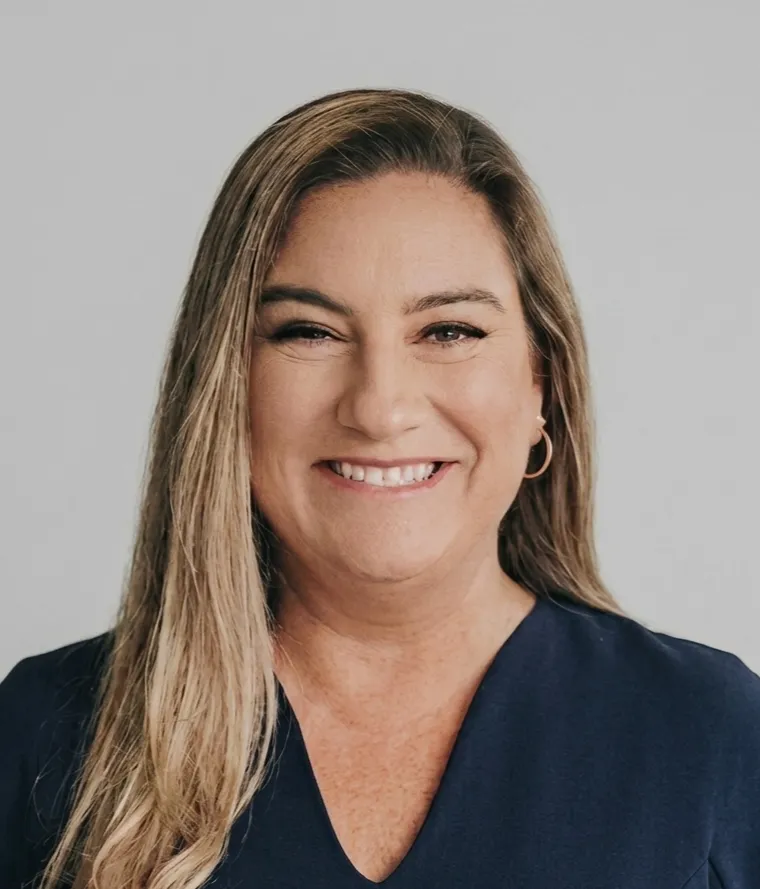
Maria Florencia Glover
Registered Provisional Psychologist

Alisha Mann
Registered Provisional Psychologist, Registered Psychotherapist

Tolulade Folarin
Registered Social Worker

Rita Onwunali
Registered Social Worker
Not sure who is the right fit? Your free 15-minute consultation is designed to match you with the therapist whose training, availability, and approach fit your situation best.
What happens on your first call
The first step is a free 15-minute consultation by phone or video, and there is nothing to prepare.
Book in 60 seconds
Choose a time that works for you. Our Client Care Coordinator, Paisley, holds this first call. Warm, human, no clinical jargon.
Be heard, gently
You do not have to tell the whole story or have any decisions made. We ask a few gentle questions about how you are doing.
Get matched
We match you with the right specialist, in person in Calgary or by secure video. No pressure and no obligation to continue.
Common questions, honest answers
Do you offer in-person infidelity counselling in Calgary?
Yes. Joanna He sees clients in person in Calgary, by appointment. The rest of our team works by secure video, for anyone who would rather start from home or whose schedule makes getting to an appointment difficult. The care is the same either way.
It happened during Stampede. Is that "different"?
No. People may try to wave it away as "just Stampede," but a betrayal is a betrayal regardless of the calendar. The alcohol and the party culture may have created the opening, but the injury to you is real and deserves real care. If the people around you are minimizing it, that is a reason to talk to someone who will not.
Is what I am feeling actually trauma, or am I overreacting?
If you are experiencing intrusive thoughts, hypervigilance, sleep problems, and a sense that the ground has dropped out from under you, those are trauma responses, not overreactions. A large share of betrayed partners meet criteria for PTSD-level symptoms.
Why can't I stop obsessing over the details of the affair?
It is one of the most common and most distressing parts of betrayal. Your mind is trying to make sense of something that shattered your reality, to make it predictable again, and the intrusive images people call mind movies are part of that. It is a trauma response, not a character flaw. Trauma-focused approaches like EMDR and ART are specifically good at quieting those replays.
Is it normal that I still love them, or still want them, after what they did?
Yes, and it does not make you weak or foolish. Your brain is wired to hold onto the attachment to the person who was your safe place, even when they are the one who caused the harm. That contradiction is one of the most painful parts of betrayal trauma. It also does not obligate you to stay. We help you find enough steadiness to choose clearly.
Do I need couples counselling or individual therapy first?
In most cases, individual betrayal trauma therapy comes first. Stabilizing the betrayed partner before any joint sessions protects you from being re-injured in the room. Couples work can follow once you are steadier, if you choose it.
Can therapy help even if I do not know whether I am staying or leaving?
Yes. You do not need to have decided anything to begin. Doing the trauma work first usually gives you the clarity and stability to make that decision from a grounded place rather than a panicked one.
My partner travels constantly, or works a rotation up north. Can we still do this?
Yes. Secure video sessions mean your healing does not have to wait for their schedule, or yours. Many Alberta clients do this work around demanding travel, camp rotations, and long hours, from wherever they are.
What does it cost, and does insurance cover it?
Depending on your plan, therapy can be covered up to 100 percent. We accept a wide range of insurance providers and also offer a private-pay option. We are happy to help you figure out what works best before you commit to anything, and the first 15-minute consultation is always free.
How quickly can I get started?
Your first step is a free 15-minute consultation, which you can book online. From there we find a time that works for you, and therapy can usually begin within 24 to 48 hours, without the long waits common in much of the public system.
Do you offer virtual counselling outside Calgary?
Yes. Alongside in-person sessions in Calgary, we work with clients across Alberta by secure video, including Airdrie, Cochrane, Okotoks, Chestermere, Red Deer, Lethbridge, Edmonton, and Fort McMurray. The care is the same either way.
Do I have to share all the details of the affair?
No, and you may never need to. Several of the approaches we use, including EMDR and ART, are designed to help you process trauma without narrating every detail. You are always in control of what you share and when.
You do not have to carry this alone
If you take nothing else from this page, take this: the way you feel right now is not permanent, and it is not a sign that something is wrong with you. With the right kind of help, the acute symptoms do ease. Most people reach a point where they can think about what happened without it dominating every hour, every commute downtown, every July. The first move is simply a conversation.