Is Betrayal Trauma the Same as PTSD? Symptoms, Science & Recovery
Stage 2: Making Sense of What Happened
You can't sleep. Your heart races when your partner's phone lights up. You read the same text message forty times looking for a hidden meaning, and you can't shake the feeling that you're somehow "going crazy." Then a question starts to form: is what I'm feeling actually trauma, or am I overreacting? This guide is part of our Betrayal Recovery Learning Centre, and it exists to give you a clear, clinical answer.
Here's the short version. What you're experiencing has a name, it has a predictable set of symptoms, and it is not a character flaw or a sign of weakness. Betrayal trauma is a recognized psychological injury, and for many people it produces symptoms nearly identical to post-traumatic stress disorder. At Betrayal Care, we focus first on the person who was betrayed rather than the partner who caused the harm, because your stability has to come before any decision about the relationship.
This article walks through what betrayal trauma actually is, how it compares to PTSD, the physical and emotional symptoms it produces, what's happening inside your brain, and roughly how long recovery takes. The goal isn't to label you. It's to help you understand that your reaction is a logical response to an illogical situation.
In this article
What Is Betrayal Trauma?
Is Betrayal Trauma the Same as PTSD?
The Symptoms of Betrayal Trauma
What's Happening in Your Brain
How Long Does Betrayal Trauma Last?
When to Reach Out for Support
Frequently Asked Questions About Betrayal Trauma
Specialized Betrayal Trauma Support in Canada
What Is Betrayal Trauma?
Betrayal trauma is the psychological injury that occurs when someone you depend on for safety and security violates your trust in a profound way. The term was originally coined by psychologist Jennifer Freyd to describe what happens when the people we rely on for survival are the same people who hurt us. In the context of a committed relationship, that usually means infidelity, chronic deception, hidden behaviour, or financial secrecy.
What makes it so destabilizing is the source. A car accident is frightening, but a stranger caused it. Betrayal trauma is different because the danger and the person you'd normally run to for comfort are the same human being. Your brain is asked to hold two impossible truths at once: "this person is my safe place" and "this person is the threat." That contradiction is the engine behind almost every symptom we'll describe below.
This is why we treat betrayal as an attachment injury rather than a simple relationship problem. The wound isn't only that something happened. It's that your fundamental sense of safety, and your trust in your own judgment, were broken at the same time.

Is Betrayal Trauma the Same as PTSD?
This is one of the most common questions we hear, and the honest answer is: not technically, but functionally it's remarkably close.
Post-traumatic stress disorder, as defined in the DSM-5, requires exposure to a life-threatening event. Infidelity and deception don't fit that narrow clinical definition, so betrayal trauma is not formally diagnosed as PTSD in most cases. Some clinicians use the informal term Post-Infidelity Stress Disorder (PISD) to describe the cluster of symptoms instead.
But the distinction is mostly technical. Research on betrayed partners consistently finds that somewhere between 30 and 60 percent develop symptoms severe enough to reach the clinical threshold for PTSD, depression, or anxiety. The symptoms overlap almost completely: intrusive thoughts, hypervigilance, avoidance, emotional numbing, sleep disruption, and physical distress.
There are two meaningful differences worth understanding:
The threat may still be present. In classic PTSD, the traumatic event is usually over. The car crash happened; it's in the past. With betrayal trauma, your nervous system often can't file the event as "finished," especially if your partner is still nearby, still being defensive, or still revealing new details. Your body keeps treating the threat as ongoing.
The trigger can be the person you love. In PTSD, triggers tend to be external reminders. In betrayal trauma, the trigger is frequently your partner themselves, because the attachment bond and the source of danger are fused together. This is part of why recovery is so confusing and why generic advice to "just move on" so badly misses the point.
The Symptoms of Betrayal Trauma
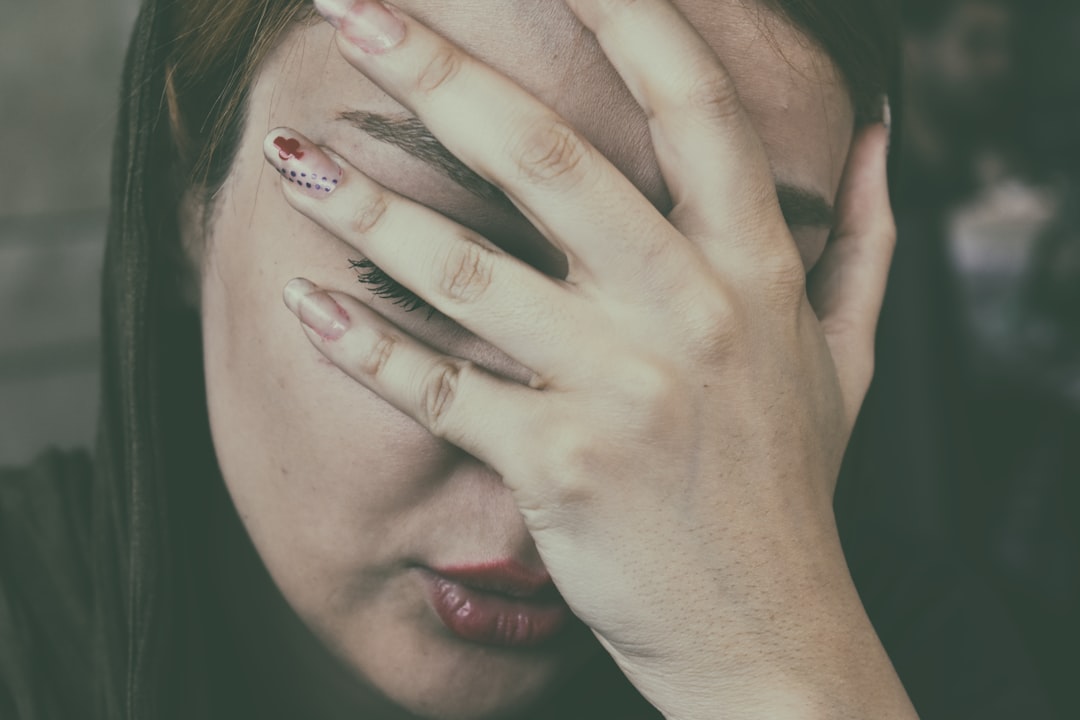
Betrayal trauma shows up in three overlapping ways: emotionally, physically, and cognitively. You may experience all three or only some, and the intensity tends to come in waves. None of these are signs that something is wrong with you. They are signs that your survival system is doing exactly what it was built to do.
Emotional Symptoms
The emotional landscape after discovery is volatile by design. You may swing from rage to numbness to desperate longing within a single hour. Common emotional symptoms include overwhelming grief, sudden anger, fear that won't switch off, shame, and periods of emotional flatness where you feel nothing at all. That numbness isn't indifference. It's your nervous system pulling the emergency brake when the feelings become too much to hold.
Many people also describe a deep, corrosive self-doubt. You start questioning your own perception, your memory, and your worth. If there was gaslighting involved, this is amplified, because you spent a period of time being told that what you sensed wasn't real.
Physical Symptoms of Betrayal Trauma
Betrayal trauma is not "all in your head." It lives in your body, because your nervous system has shifted into a sustained survival state and is flooding your system with stress hormones. This is why so many betrayed partners end up at their family doctor before they ever reach a therapist.
Common physical symptoms include a racing or pounding heart, chest tightness, and a physical "weight" or ache in the chest. Many people lose their appetite or feel persistent nausea and stomach cramps. Others experience headaches, dizziness, chronic fatigue that sleep doesn't fix, and a body that feels braced or tense all the time. Over weeks and months of living in fight-or-flight, some people notice they get sick more easily, as prolonged stress wears down the immune system.
If you've been wondering why your body physically hurts after something that was, on paper, "just" an emotional event, this is the answer. Your physiology is responding to a perceived threat to your survival.
Cognitive and Behavioural Symptoms
This is the cluster that frightens people the most, because it feels the most like "losing it." It includes intrusive thoughts and vivid mental replays of the betrayal, difficulty concentrating, and a mind that won't stop generating worst-case scenarios. If the mental replay is your dominant symptom, our guide on how to stop the cycle of intrusive thoughts after being cheated on goes deep on grounding techniques.
You may also notice hypervigilance and checking behaviours: scanning their phone, tracking their location, re-reading messages, noticing every change in tone or schedule. We want to be very clear about this, because the shame around it is enormous. Checking your partner's phone after betrayal is a normal nervous-system response, not a sign that you are paranoid or controlling. Your brain is simply trying to close the information gap and answer the question "Am I safe now?" The catch is that checking offers only temporary relief before the anxiety returns, which is why it tends to become a loop rather than a solution.
What's Happening in Your Brain
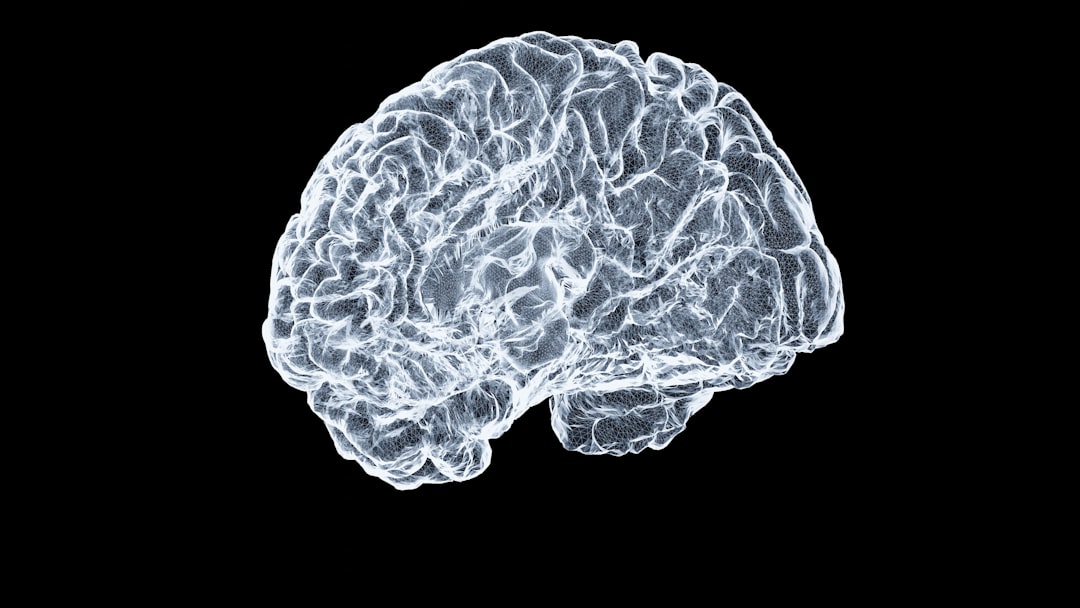
Understanding the neurobiology can take a surprising amount of shame off the table, because it shows you that this is biology, not weakness.
When betrayal is discovered, your amygdala, the brain's alarm system, takes over and categorizes the betrayal as a survival-level threat. At the same time, your prefrontal cortex, the part responsible for logic, planning, and emotional regulation, runs on reduced power. This is why you can't think straight, can't make decisions, and can't seem to "just be rational" no matter how hard you try. The rational part of your brain has literally been turned down.
There's also a memory component. Your hippocampus is responsible for time-stamping experiences as "past." Under acute trauma, it struggles to do this, which is why memories of the betrayal can feel like they're happening right now instead of weeks or months ago. The replay isn't you choosing to dwell. It's your brain failing to file the event as finished.
Here is the part that matters most: the brain is neuroplastic. It forms new pathways throughout your entire life. With the right support, the alarm system settles, the reasoning centre comes back online, and the brain finally files the memory where it belongs, in the past. Recovery is not wishful thinking. It's how the nervous system is designed to work once it's given safety and time.
How Long Does Betrayal Trauma Last?

There's no single number, but there is a realistic range, and knowing it can stop you from panicking when you're not "over it" in a month.
The acute crisis phase, when sleep, appetite, and basic functioning are most disrupted, typically lasts somewhere around six to twelve weeks. Active healing, the deeper work of processing the trauma and rebuilding self-trust, generally takes somewhere between one and two years, with most people seeing meaningful improvement within the first three to six months of focused work. Some clinicians and researchers cite a range of eighteen months to three years for full resolution, where you can think about what happened without being hijacked by it.
What matters more than the exact timeline is this: healing is not linear. You will have good weeks followed by a sudden setback triggered by a date, a song, or an offhand comment. That's not failure or backsliding. It's the normal rhythm of recovery. The variables that most affect your timeline are the quality of support you have, whether the deception has fully stopped, and whether you're able to stabilize your own nervous system before tackling relationship decisions.
When to Reach Out for Support
Some difficulty after betrayal is expected. But there are signs that your nervous system needs more than time alone can provide. Consider reaching out for specialized support if you've been unable to sleep or eat for an extended period, if intrusive thoughts are interfering with work or parenting, if you're using alcohol or other substances to cope, or if the hypervigilance and checking have taken over your daily life.
A common and costly mistake at this stage is jumping straight into couples counselling. If your partner is still lying or releasing the truth in slow drips, joint sessions can deepen the injury rather than heal it. It's worth understanding the difference between betrayal trauma therapy and couples counselling before you book anything that puts you both in the same room. When the lying has stopped and you feel steady enough, infidelity counselling for couples can then help rebuild the relationship itself.
If you reach out for nothing else, reach out so that you don't have to carry this alone.
Frequently Asked Questions About Betrayal Trauma
Can betrayal trauma cause physical illness?
Yes. Sustained activation of your stress response can produce real, measurable physical symptoms, from digestive issues and headaches to chronic fatigue and a weakened immune system. The mind-body connection is not metaphorical here. Your body is responding to a genuine perceived threat.
Is it normal to keep checking my partner's phone?
Yes, especially in the early months. Checking is your nervous system's attempt to gather information and re-establish safety. It's understandable and common. The difficulty is that it tends to provide only short-term relief, which is why building internal safety, rather than relying on external checking, is a key part of learning to trust again after being cheated on.
Does betrayal trauma ever fully go away?
The acute symptoms do resolve. Most people reach a point where they can think about what happened without it dominating their nervous system. You may always carry the memory, but it stops running your life. Many people even describe emerging with deeper self-trust and stronger boundaries than they had before, a phenomenon known as post-traumatic growth.
Can men experience betrayal trauma?
Absolutely. Betrayal trauma is not gender-specific. Anyone who experiences a profound violation of trust by an attachment figure can develop these symptoms, regardless of gender.
Will I ever feel like myself again?
Yes, though "yourself" may look a little different on the other side. The identity disruption after betrayal is real, and it's one of the most disorienting parts of the experience. If you feel like a stranger in your own life right now, our guide on how to start feeling like yourself again after betrayal walks through the clinical steps for rebuilding.
Specialized Betrayal Trauma Support in Canada

Understanding your symptoms is the first step. Healing them is the work, and it's far easier with a guide who knows the terrain. You don't have to figure out whether what you're feeling is "bad enough" to deserve help. If it's disrupting your life, it's worth support. Our individual betrayal trauma therapy was built for exactly this kind of injury.
The Betrayal Care Team consists of betrayal trauma therapists who offer virtual therapy for Canadians in British Columbia, Alberta, and Ontario. If you are in Ontario, our betrayal trauma therapy in Toronto offers this specialized support, virtually or in person. We hold high clinical standards and we focus on healing the individual first, giving you a clear map for what comes next, whatever you eventually decide about your relationship.
To get oriented on the full recovery process, you can read our complete guide to the 5 stages of healing after betrayal trauma.
Would you like to take a small step forward today? Book a free consultation to speak with one of our therapists. You deserve a path forward that's defined by your own values and your own timeline.
← Back to the Betrayal Recovery Learning Centre to explore more resources