 Book a Free Call with Our Team
Infidelity Counselling in Canada
Takeaway: An affair doesn't have to be the end of your relationship — but "just moving on" doesn't work either. Our infidelity counselling gives you and your partner a structured, affair-specific path to rebuild trust, or to part ways with clarity instead of chaos. Online in six provinces, in person in Calgary and Toronto.

Here for yourself rather than as a couple? Our individual betrayal trauma therapy supports betrayed partners one-on-one — whether or not your partner ever attends counselling.
Infidelity Counselling Is Not Regular Couples Therapy
Most couples therapists treat an affair as a communication problem: improve the listening, schedule the date nights, and the relationship will recover. The research says otherwise. For the betrayed partner, discovering an affair is an attachment injury, with symptoms that often mirror post-traumatic stress — intrusive thoughts, hypervigilance, emotional flooding. And for the partner who strayed, shame usually produces the exact behaviours that re-injure: defensiveness, minimizing, rushing to be forgiven.
That's why so many couples try generic counselling after cheating and quit worse off than they started. Infidelity counselling is a different discipline: it stabilizes both partners first, structures honest disclosure so it builds safety instead of creating fresh wounds, and only then rebuilds the relationship — in that order.
Generic couples therapy
- Treats the affair as a communication breakdown
- Jumps to "both sides" before the betrayed partner feels safe
- Leaves disclosure unstructured — details spill out and wound again
- Ignores the shame driving the involved partner's defensiveness
- May quietly push you toward reconciliation
Infidelity counselling at Betrayal Care
- Treats discovery as the attachment injury it is
- Stabilizes first, then structures honest disclosure
- Works with the involved partner's shame so real accountability becomes possible
- Affair-specific pacing — no forced timelines
- Supports rebuilding or parting with clarity
Who Infidelity Counselling Is For
Couples come to us at every point after an affair — days after a discovery that turned the house upside down, or years into a stalemate where the affair is never mentioned but never gone. You don't need to have decided anything about your relationship to start. Most of our couples haven't.
If you're the betrayed partner
You may be swinging between wanting answers and wanting to never hear another detail. Both are normal. In session, you won't be asked to "own your part" in the affair or forgive on a schedule. The counselling is structured so you get honest answers without being flooded, and so the mental replays loosen their grip.
If you're the partner who had the affair
You may be carrying more shame than you know what to do with — and shame is the enemy of repair. It makes people defensive, evasive, and desperate to be forgiven quickly, which re-injures the person they hurt. Part of our work is with you: moving from "I'm a terrible person" to "I did something that caused real harm, and I can face it." That shift is what makes genuine accountability — and genuine repair — possible. You will not be shamed in our sessions. You will be expected to show up honestly.
If you're not sure the relationship should continue
That's one of the most common starting points. Infidelity counselling isn't a reconciliation program — it's a structured way to decide from clarity instead of panic. Our guide on whether to stay or leave after infidelity is a good companion while you think it through.
How Infidelity Counselling Works: Three Phases
Stabilization
Before repair comes containment: the sleepless nights, the interrogations that spiral at 2 a.m., the home that feels like a minefield. We give you both immediate structure — what to talk about, when, and how — so the crisis stops compounding.
Structured disclosure
The betrayed partner needs honest answers; the involved partner needs to take real ownership. We pace and structure disclosure so truth builds safety instead of creating fresh wounds — no ambush revelations, no drip-fed half-truths.
Rebuilding — or choosing a different path
Some couples build a more honest relationship than they ever had before the affair. Others discover the healthiest path is apart. We support both outcomes without pushing an agenda — the decision is yours.
Want the full clinical arc from crisis to integration? Read our definitive guide to the 5 stages of healing after betrayal.
What to Expect in Your First Sessions
- A structured, neutral room. Your counsellor manages the conversation so both partners are heard without interruption, blame-storms, or escalation.
- Affair-specific pacing. No forced timelines, no pressure to forgive on a schedule, no premature "moving forward."
- Concrete tools between sessions. How to answer questions about the affair honestly, handle triggers at home, and rebuild transparency without turning the relationship into surveillance.
- Attachment-based methods. Our couples work draws on Emotionally Focused Therapy (EFT), which treats the wound at the level where it lives — the attachment bond — not just the surface conflict.
- Your goals, not ours. Reconciliation is one valid outcome — not the required one.
We've written a full walkthrough of the early sessions: Couples Therapy After Cheating: What to Expect.
Does Infidelity Counselling Work?
Those three predictors are exactly what the structure of infidelity counselling is built to secure — which is why affair-specific treatment outperforms generic couples therapy after cheating. We break down the evidence, including when counselling doesn't work, in Does Marriage Counselling Work After Infidelity?
What becomes possible with the right help
Couples who do this work — whatever they ultimately decide — describe the same shifts:
- Home stops feeling like a minefield. The 2 a.m. spirals lose their grip.
- Questions about the affair get honest answers instead of fresh wounds.
- Triggers stop derailing entire days.
- Transparency returns without the relationship becoming surveillance.
- You decide whether to stay or go from clarity, not panic.
Online Infidelity Counselling Across Canada, In Person in Calgary and Toronto
Most of our couples work with us by secure video — together on the same couch, or from two different locations when one of you travels or you're living apart during the crisis. We currently provide online infidelity counselling to clients in British Columbia, Alberta, Saskatchewan, Manitoba, Ontario, and Newfoundland & Labrador, with sessions available six days a week and no waiting list: we aim to match you with a counsellor within 24 to 48 hours.
Prefer to be in the room? In-person sessions are available at both offices:
Calgary office
2005 10 Ave S.W.
Calgary, AB T3C 0K4, Canada
Toronto office (by appointment)
3080 Yonge Street, Office 647
Toronto, ON M4N 3N1, Canada
Wherever you are in those six provinces, the care is the same — secure video, six days a week. Book a free call and we'll confirm we can work together.
Infidelity Counselling Support Across Canada
We've built dedicated pages for the provinces and major cities we serve, with localized information and booking. If you're looking for support in your area, start here:
By province
- AlbertaVirtual + in-person in Calgary
- OntarioVirtual + in-person in Toronto
- British ColumbiaVirtual sessions across BC
By city
- CalgaryInfidelity & betrayal counselling
- TorontoInfidelity & betrayal counselling
- EdmontonInfidelity & betrayal counselling
- VancouverInfidelity & betrayal counselling
- OttawaInfidelity & betrayal counselling
- Red DeerInfidelity & betrayal counselling
- Fort McMurrayInfidelity & betrayal counselling
Don't see your city? Our virtual sessions reach couples throughout the six provinces listed above. Book a free call and we'll confirm we can work together.
Couples Counselling and Individual Healing, Side by Side
Infidelity counselling repairs the relationship. It doesn't replace the betrayed partner's own recovery — the individual work of learning to trust again and feeling like yourself. Many of our clients run couples sessions alongside individual betrayal trauma therapy, including trauma-processing methods like EMDR. The individual healing leads; the couples work supports it. Not sure which you need first? Read betrayal trauma therapy vs. couples counselling or our guide on how to choose an infidelity therapist.
Not sure where you are in your own recovery? The short, confidential quiz below maps your responses to a healing stage and sends a personalized roadmap to your inbox.
Counsellors Who Work With Couples Every Day
Infidelity recovery is not one concern on a list of thirty for us — it's the entire practice. Every counsellor below works with couples after affairs, using attachment-based methods like Emotionally Focused Therapy alongside trauma-processing approaches like EMDR and ART:
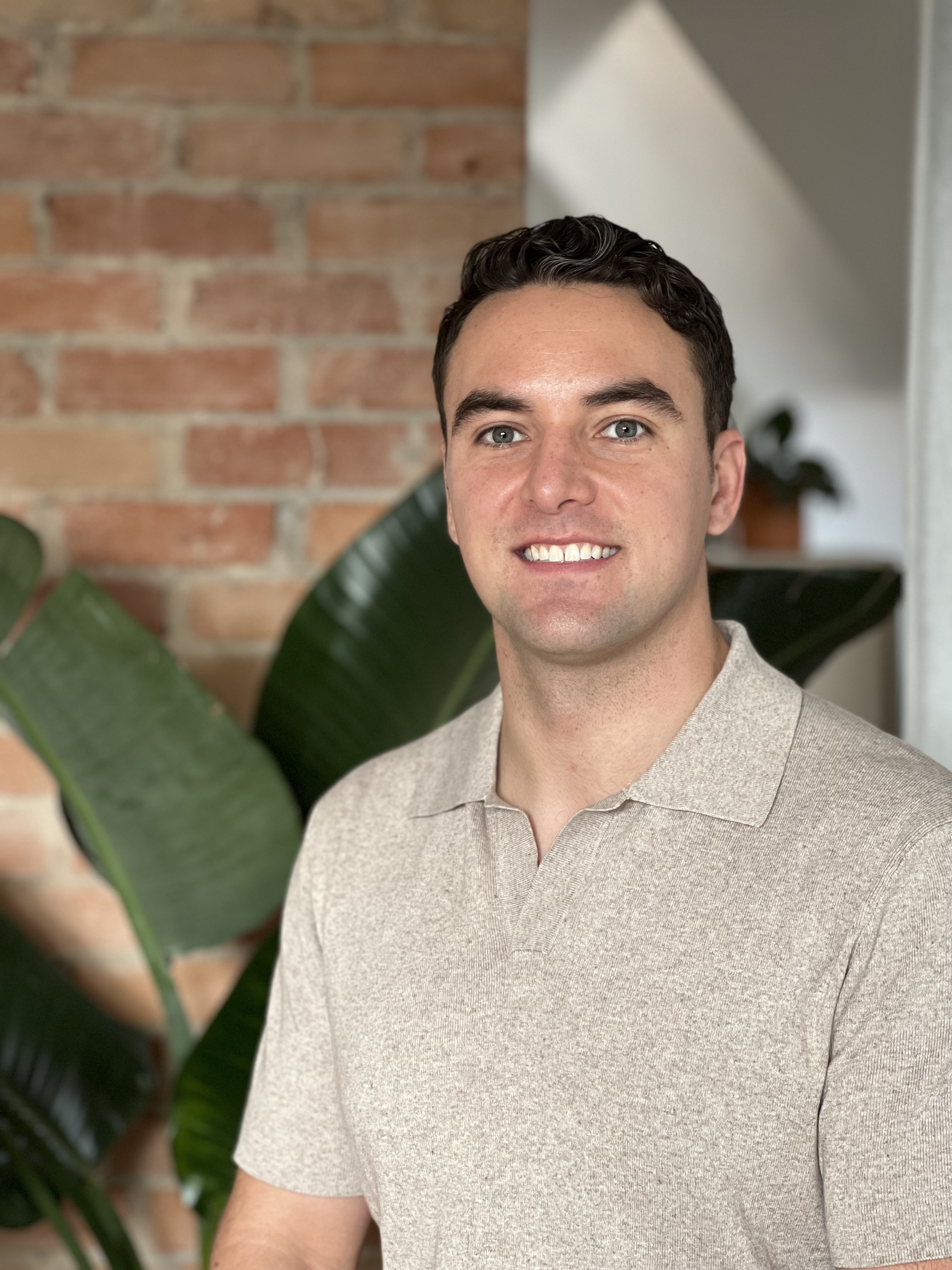
Alberta & Ontario · English

All provinces · English

All provinces · English

BC, Alberta & Ontario · English
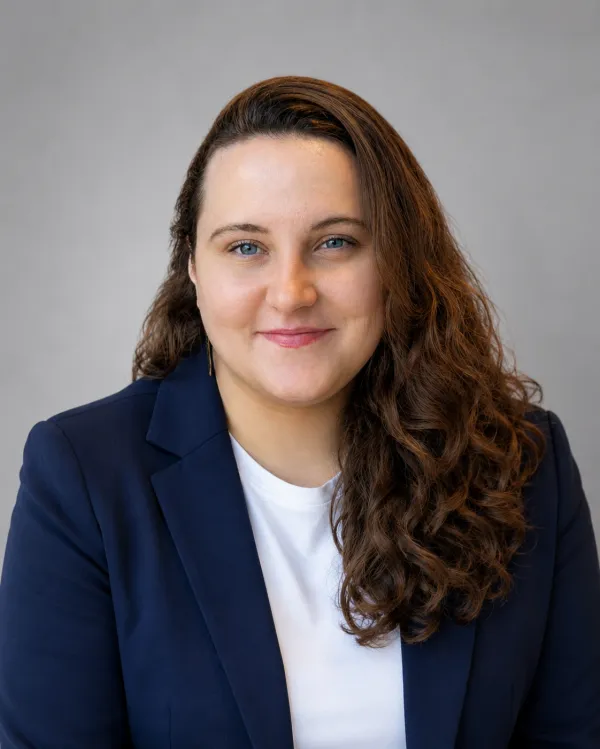
All Provinces · English

All Provinces · English & Tagalog

Alberta · English

Alberta · English

Alberta · English & Mandarin (中文)
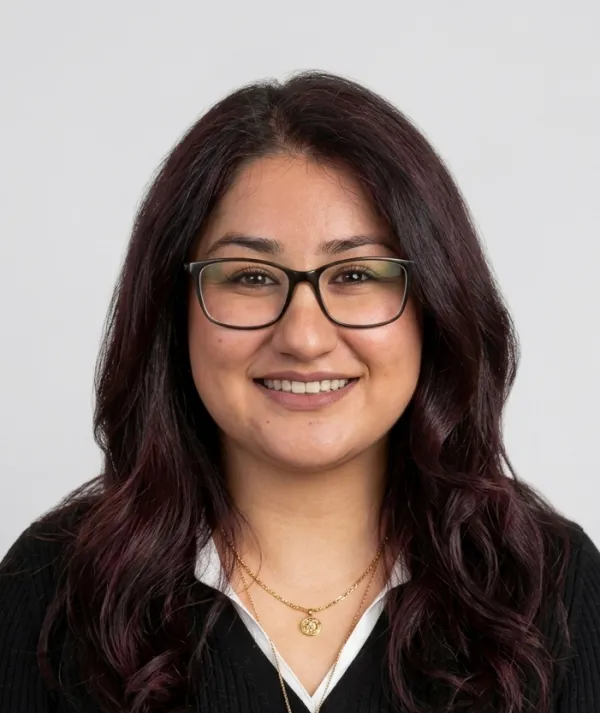
Alberta & Ontario · English, Hindi (हिन्दी), Punjabi (ਪੰਜਾਬੀ)

Ontario · English
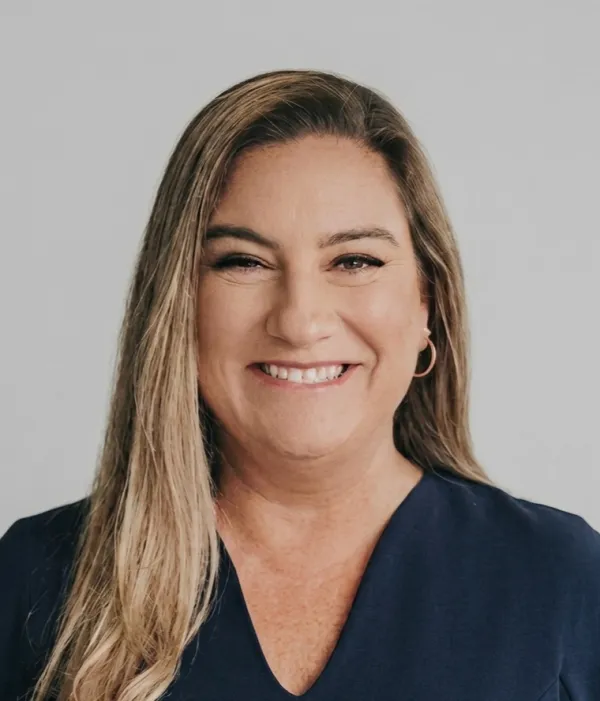
Alberta & Ontario · English & Spanish (Español)
Not sure who's the right fit? When you reach out, Paisley is the first person you'll hear from — the free 15-minute call exists to match you with the counsellor whose training, availability, and approach fit the two of you best.
Why Couples Across Canada Choose Betrayal Care
- Specialists, not generalists. Infidelity and betrayal recovery is all we do — every counsellor works in this space every day.
- Both partners supported. Structured couples counselling, individual betrayed-partner therapy, or both in parallel.
- No waiting list. While much of Canada's public system leaves people waiting months, we aim to match you with a counsellor within 24 to 48 hours.
- Flexible access. Secure video sessions in six provinces, six days a week — plus in-person appointments in Calgary and Toronto.
- Start with a free call. A no-pressure 15-minute conversation to see if we're the right fit.
Frequently Asked Questions About Infidelity Counselling
Does infidelity counselling work?
For most couples who complete structured, affair-specific treatment, yes — the majority stay together and about half see clinically significant relationship improvement. Success depends on the affair being fully over, honest disclosure, and commitment from both partners — three things the counselling itself is structured to secure.
Can we do infidelity counselling online — even from different locations?
Yes. Most of our couples meet by secure video, together or from two separate locations — useful when one of you travels for work or you're living apart during the crisis. We serve clients in BC, Alberta, Saskatchewan, Manitoba, Ontario, and Newfoundland & Labrador, with in-person sessions in Calgary and Toronto.
What if my partner won't come to counselling?
You can still get specialized help. Our individual betrayal trauma therapy supports betrayed partners one-on-one, and it's highly effective whether or not your partner ever attends. Sometimes one partner starting is also what eventually brings the other in.
Does the affair have to be completely over before we start?
For couples work to succeed, yes — an ongoing affair undermines every hour of counselling, and ended contact is one of the strongest predictors of success in the outcome research. If the affair hasn't fully ended, we'll usually recommend starting with individual sessions and address it there honestly.
What if we're not sure we want to stay together?
That's one of the most common reasons couples come to us. You don't need a decision to start — infidelity counselling isn't a reconciliation program, it's a structured way to make that choice from clarity rather than panic. Both outcomes are supported.
How long does infidelity counselling take?
Most couples work with us for several months; full recovery from an affair typically unfolds over one to two years. Expect to feel meaningfully more stable within the first handful of sessions — the 2 a.m. spirals and circular fights are usually the first things to ease.
Is infidelity counselling covered by insurance in Canada?
Many extended health benefit plans in Canada cover counselling with registered professionals such as Registered Social Workers or Registered Psychologists — coverage depends on your plan and the counsellor's designation. We provide receipts for reimbursement, and we'll confirm the details that apply to you on your free call.
How soon after discovering an affair should we start?
As soon as you can. The first weeks after discovery are the most psychologically volatile — early structure prevents avoidable damage, whatever you ultimately decide about the relationship. We aim to match you with a counsellor within 24 to 48 hours.
Ready for the first step?
A free 15-minute call — no pressure, no commitment, just clarity on what infidelity counselling could look like for the two of you.